The Art of Boudoir Photography
Craft · Consent · Privacy
Boudoir photography, at its best, is an intimate, tasteful portrait genre built on trust, light, and craft, where consent and privacy matter as much as the image itself.
Boudoir photography occupies a quiet corner of portraiture that is often misunderstood. Done thoughtfully, it is a refined art form: a collaboration between photographer and subject to make an elegant, personal portrait in an intimate setting. It draws on the same fundamentals as any fine portrait work, careful light, considered styling, an understanding of pose and mood, but adds a layer of care that sets it apart. Because the genre is personal, everything about it, from the first conversation to the final image, rests on trust, comfort, and consent.
A portrait genre, not a spectacle
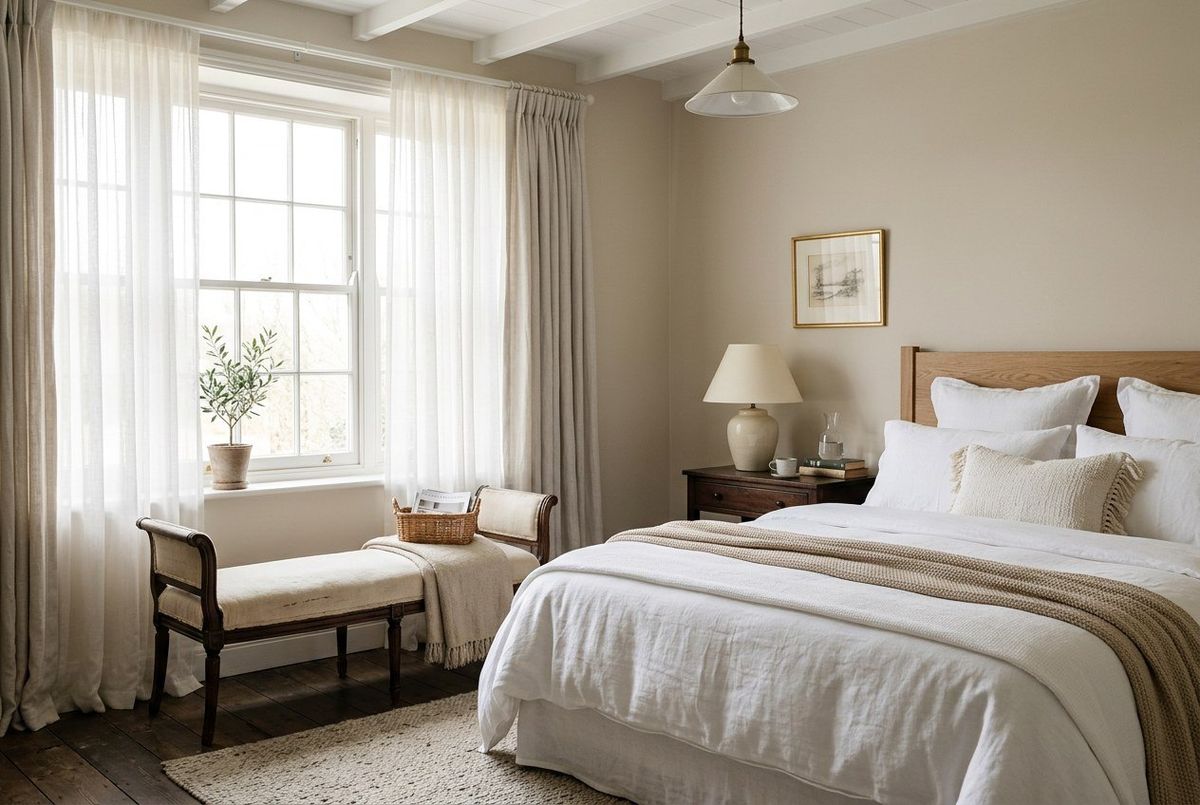
The word boudoir comes from the French for a private sitting room, and the genre inherits that sense of intimacy and privacy. It is about atmosphere, soft light through a window, the texture of fabric, the mood of a carefully styled room, far more than any single pose. The strongest boudoir images feel personal and quiet, closer to a fine portrait than to anything sensational. This publication treats it accordingly, as a craft to be understood and appreciated.
What this publication covers
The pages here explore the genre from several angles, always with a focus on artistry and ethics rather than anything explicit.
- What is boudoir — the genre's meaning, history, and range.
- Preparing for a session — how thoughtful preparation builds comfort and better images.
- Posing and light — the craft of flattering, tasteful portraiture.
- Consent and privacy — the ethical backbone of the genre.
- Choosing a photographer — what to look for in an experienced, respectful professional.
Craft is the foundation
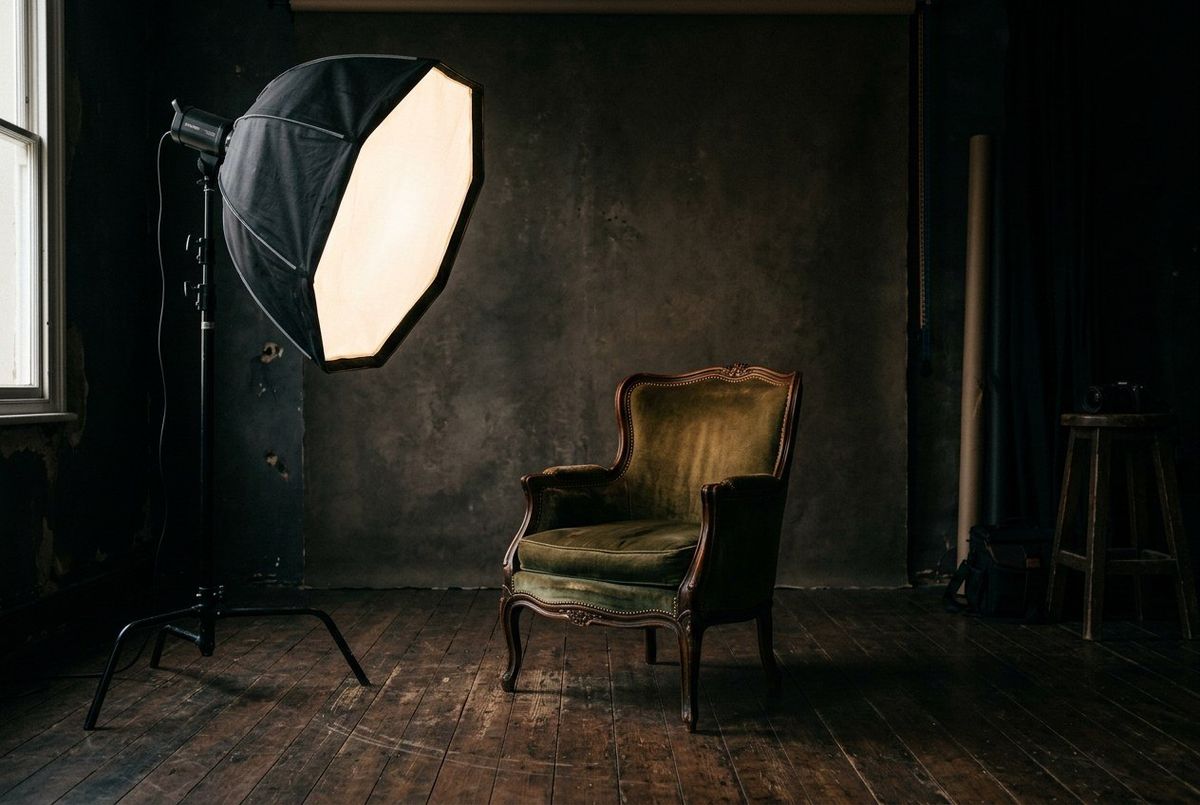
Beneath the mood, boudoir photography is a technical discipline. Soft, directional light, often natural window light or carefully shaped studio lighting, defines the look. Styling turns a room into a set, and wardrobe and props set the tone. Posing is guided and gentle, designed to flatter and to put the subject at ease. And post-production is handled with restraint, enhancing without distorting. The posing and light page explores how these elements come together.
Consent is not a formality
What most distinguishes boudoir from other portrait work is the weight it places on consent and privacy. Because the images are personal, the ethics are central, not an afterthought. Clear communication about comfort levels, careful handling of the resulting images, model releases that reflect the subject's actual wishes, and secure storage of files are all part of doing the genre responsibly. The consent and privacy page treats this as the backbone it is.
An art built on trust
A successful boudoir portrait is, in the end, a portrait of confidence and self-expression, made possible only when the subject feels safe and respected. That safety is not incidental to the art; it is what allows the art to happen. When photographer and subject share clear expectations, honest communication, and mutual respect, the result is imagery that feels authentic and empowering. This publication exists to explore that craft and that care with the seriousness they deserve. Learn more about Revealry and its editorial approach.
Throughout, the emphasis stays on light, styling, setting, and ethics, the elements that make boudoir photography an art form worth understanding, rather than on anything sensational. The genre's quiet elegance is exactly the point.
Why understanding the genre matters
Boudoir is surrounded by assumptions, many of them wrong, and understanding the genre clears them away. Seen clearly, it is a portrait tradition with real craft behind it and real care around it: a discipline of light and mood, guided by consent and privacy at every step. Appreciating that changes how the images read. A viewer who understands the work sees the quality of the light, the intention in the styling, and the trust that made the portrait possible, rather than reacting to surface impressions. This publication aims to offer that fuller understanding, so the genre can be appreciated for what it actually is.
A collaboration, start to finish
Perhaps the most important thing to grasp about boudoir is that it is collaborative. The subject is not simply photographed; they help shape the mood, the styling, and the boundaries, and they retain authority over the images afterward. The photographer brings craft and direction, guiding light and pose so the subject never has to arrive knowing how to be photographed. The result belongs to both, but especially to the subject, whose comfort and consent make everything else possible. That collaborative spirit runs through every page here, because it is what separates the genre practiced with integrity from imitations that miss the point.
Guides
Practical, non-explicit guides for anyone planning a session or simply curious about the genre.
 The GenreWhat Is Boudoir Photography?
What boudoir means, where the word comes from, how the genre developed and how it differs from other portraiture: a clear introduction to boudoir photography.
 PreparingPreparing for a Boudoir Session
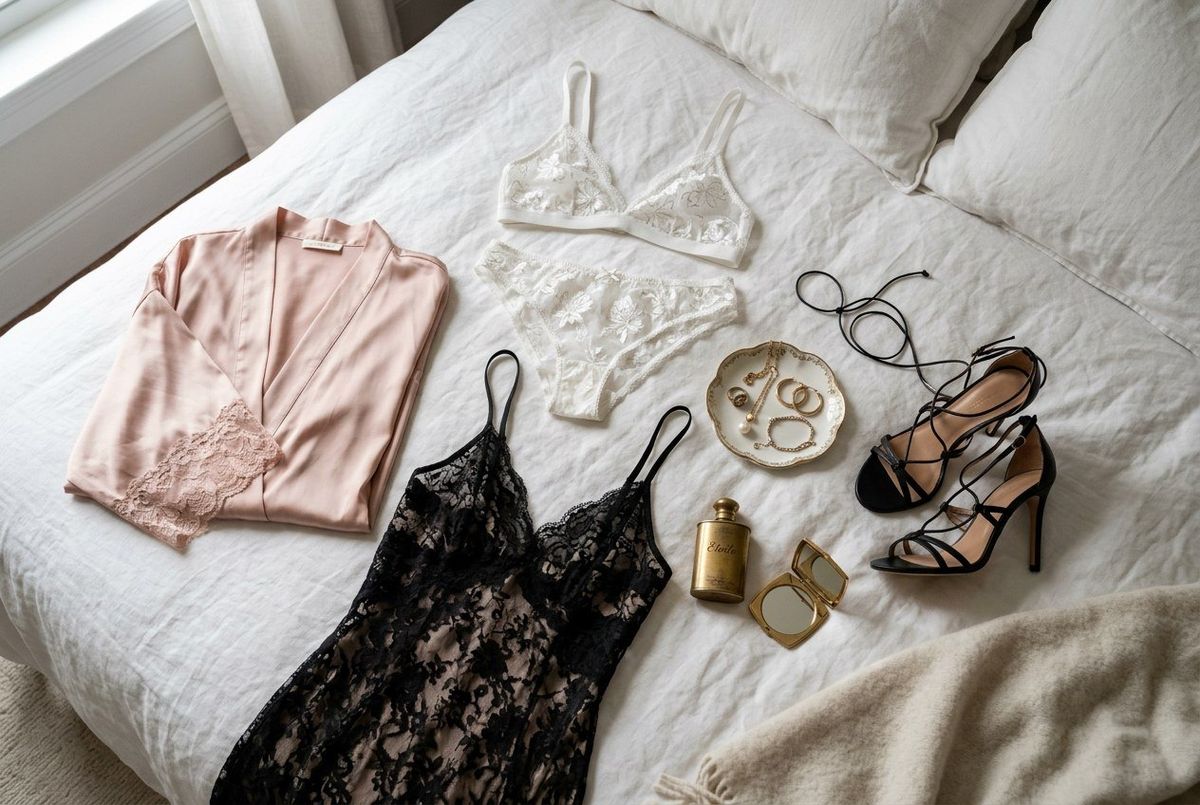
How to prepare for a boudoir photoshoot: the planning conversation, wardrobe, hair and makeup, the day before, and what happens during a well-run session.
 CraftPosing and Light: The Craft
How boudoir photographers use soft directional light, window light, studio light and gentle guided posing to make flattering, tasteful portraits.
 EthicsConsent and Privacy: The Ethical Backbone
Consent and privacy in boudoir photography: agreeing boundaries, model releases, who controls the images, secure galleries, and what happens to files later.
 ChoosingChoosing a Boudoir Photographer
How to choose a boudoir photographer: reading a portfolio, style, professionalism, the questions to ask about consent, privacy, contracts and image storage.
- KeepsakesThe Boudoir Photo Book: Formats, Paper and Care
How a boudoir photo book or album is put together: formats, paper and binding, image selection, sequencing, privacy at the print lab and long-term care.
 PosingPlus Size Boudoir Poses That Flatter and Feel Natural
Plus size boudoir poses that work: camera height, angles, seated and reclining ideas, how light and fabric shape the frame, and how to stay comfortable.
- OccasionsBridal Boudoir: Planning a Photoshoot Before the Wedding
Planning a bridal boudoir photoshoot: when to book before the wedding, wardrobe and wedding details to include, gifting the album and keeping images private.
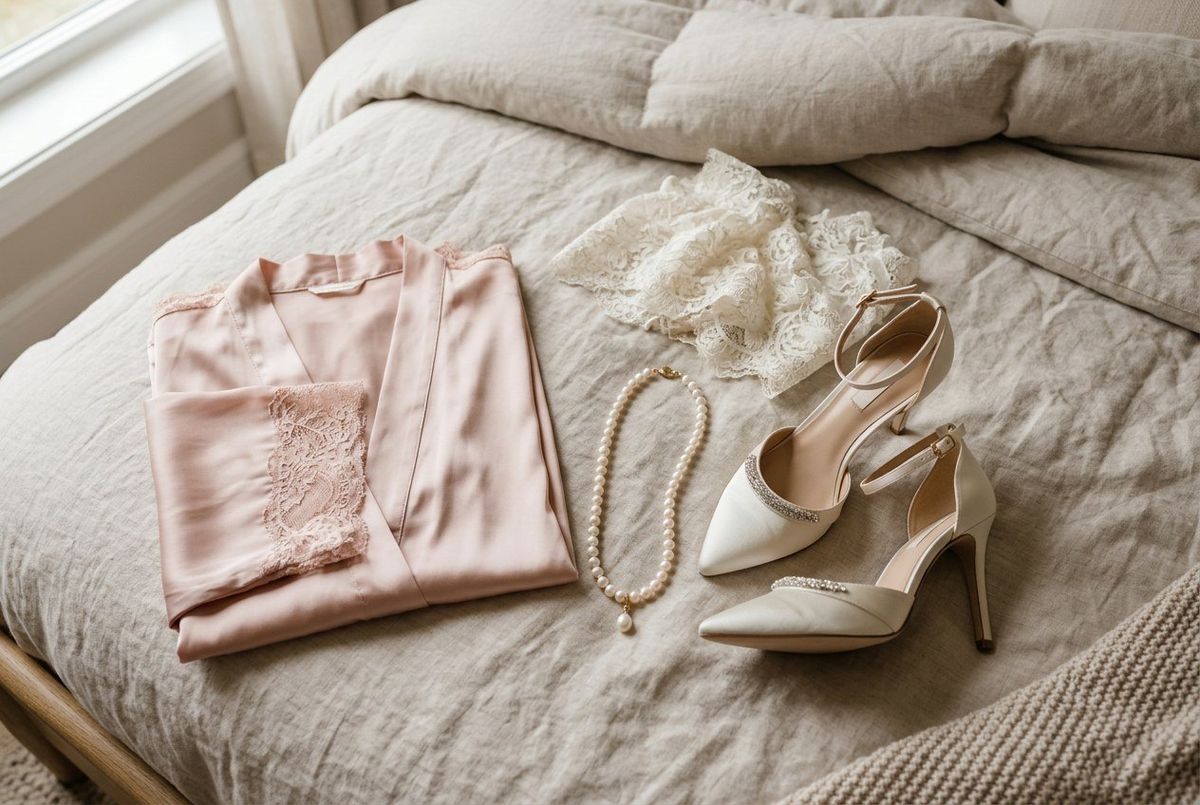
 WardrobeBoudoir Photoshoot Outfits: What to Wear and Why
What to wear for a boudoir photoshoot: lingerie, bodysuits, robes and shirts, colors and fabrics that photograph well, fit tips and a simple packing list.
- IdeasLingerie Photoshoot Ideas: Settings, Moods and Details
Lingerie photoshoot ideas that stay elegant: concepts by setting and mood, window light and studio setups, props, poses and details to plan before the shoot.
- StylesBoudoir Photography Styles, Explained
The main boudoir photography styles explained: light and airy, dark and moody, fine art, vintage, editorial and film. How each is lit, edited and recognised.